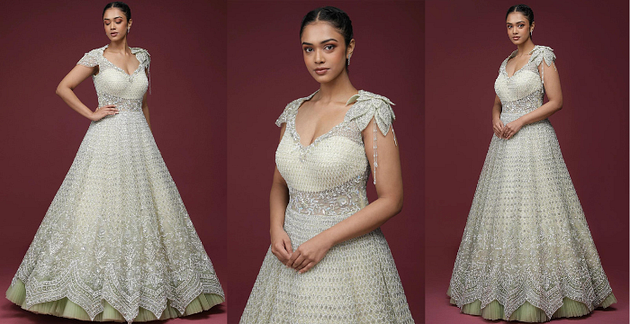
Gowns have held a significant place in fashion history, embodying grace, elegance, and a timeless appeal that has captivated generations. From the lavish courts of Europe to the glitzy red carpets of today, the evolution of gowns reflects changes in cultural values, social structures, and fashion trends. This article delves into the rich history and transformation of gowns, with a special focus on evening gowns, party wear gowns, western gowns, bridal gowns, and gowns for weddings and engagements.
The Origin of Gowns: A Historical Perspective
The origin of gowns can be traced back to the medieval period when they were worn by both men and women. Initially, gowns were simple garments, often ankle-length, worn by the elite class. Over time, these garments evolved, becoming more elaborate and decorated, signaling social status and wealth. By the Renaissance, gowns had become highly ornate, with luxurious fabrics like silk, velvet, and brocade, often adorned with intricate embroidery and embellishments.
During the 17th and 18th centuries, Gowns became the quintessential representation of femininity. The structured bodices, voluminous skirts, and intricate detailing made gowns a staple in women’s wardrobes, particularly among the nobility. These early gowns laid the foundation for the many variations that would follow, including the bridal gowns and evening gowns we know today.
Evening Gowns: The Epitome of Elegance
Evening gowns emerged in the 19th century as a distinct category of formal wear, designed specifically for evening events such as balls, dinners, and operas. These gowns were characterized on the basis of their luxurious fabrics, elegant silhouettes, and intricate detailing. Evening gowns were often custom-made, with each gown reflecting the wearer’s taste and social status.
The early 20th century saw the rise of the western gown, with designers like Charles Worth and Paul Poiret revolutionizing evening gowns by introducing more fluid, less restrictive silhouettes. This period marked the beginning of modern evening wear, where comfort and style began to coexist.

Today, Evening gowns are available in a wide range of styles, from the classic A-line to the dramatic mermaid silhouette. They continue to be a symbol of elegance and sophistication, worn by women at formal events worldwide.
Party Wear Gowns: A Celebration of Style
As social events became more diverse, so did the need for different types of gowns. Party wear gowns emerged as a popular choice for semi-formal and formal gatherings, offering a blend of style, comfort, and versatility. Unlike evening gowns, which are typically more formal, party wear gowns are often more playful, featuring bold colors, modern cuts, and a variety of embellishments.
The 1920s, known as the Roaring Twenties, saw a significant shift in fashion, with women embracing shorter, more daring party gowns. The flapper dress, with its fringe and beading, became an iconic style of the era, symbolizing freedom and rebellion.

In contemporary fashion, Party wear gowns come in numerous styles, from the classic little black dress to the more elaborate sequin or lace gowns. These gowns are designed to make a statement, ensuring that the wearer stands out at any event.
Western Gowns: A Global Influence
The influence of Western fashion on gowns cannot be overstated. The Western gown has become a global symbol of style and sophistication, influencing fashion trends worldwide. From Hollywood’s red carpets to high-profile weddings, the western gown is a go-to choice for women looking to make a fashion statement.
The western gown typically features clean lines, minimalist designs, and a focus on the silhouette. Whether it’s a sleek sheath gown or a voluminous ball gown, the western gown emphasizes the wearer’s figure while maintaining an air of elegance.

Designers like Christian Dior and Coco Chanel have played pivotal roles in shaping the western gown. Dior’s “New Look” in the 1940s, with its cinched waist and full skirt, became an instant classic, while Chanel’s focus on simplicity and comfort revolutionized women’s fashion.
Today, Western gowns continue to evolve, with designers experimenting with new fabrics, cuts, and embellishments. Whether for a wedding, engagement, reception or any formal events, the western gown remains a top choice for women worldwide.
Bridal Gowns: A Tradition of Elegance
Bridal gowns hold a special place in the history of cultural fashion, symbolizing love, commitment, and tradition. The history of bridal gowns dates back to the Roman Empire, where brides wore simple white tunics. However, it wasn’t until the 19th century, when Queen Victoria of England wore a white gown at her wedding, that the white bridal gown became a symbol of purity and innocence.
The traditional wedding gown has since evolved, with designers creating elaborate gowns that reflect the bride’s personality and style. From the classic ball gown to the modern mermaid silhouette, wedding gowns are now available in a variety of styles, colors, and fabrics.

Wedding gowns for brides are often designed with intricate detailing, such as lace, embroidery, and beading, making them a true work of art. The choice of fabric, whether it’s satin, tulle or organza, plays a crucial role in the overall look and feel of the wedding gown.
In recent years, there has been a growing trend towards personalized Bridal gowns, with brides opting for custom-made gowns that reflect their unique style and personality. This trend has given rise to a new wave of designers who specialize in creating one-of-a-kind wedding gowns for women.
Gowns for Wedding: A Reflection of Cultural Diversity
Gowns for weddings vary greatly across cultures, reflecting the diverse traditions and customs associated with marriage. In Western cultures, the white wedding gown is a symbol of purity, while in many Eastern cultures, brides wear red, symbolizing prosperity and good fortune.
The design and style of wedding gowns are often influenced by cultural traditions. For example, in India, the traditional bridal attire is a red saree or lehenga, while in China, brides often wear red qipaos. However, the influence of Western fashion has led to an increasing number of brides in these cultures choosing to wear white wedding gowns.
The global influence of the western gown has also led to a fusion of styles, with designers incorporating elements from different cultures into their bridal gowns. This has resulted in a rich diversity of wedding gowns for women, offering brides a wide range of options to choose from.
Engagement Gowns: A Prelude to the Big Day
Engagement gowns have become increasingly popular in recent years, offering brides-to-be a chance to showcase their style before the big day. Unlike wedding gowns, which are often more formal and traditional, gowns for engagement are typically more relaxed, yet equally elegant.
Engagement gowns come in a variety of styles, from the classic A-line to the more modern sheath silhouette. They are often designed with less elaborate detailing than wedding gowns, making them a versatile choice for the engagement party or ceremony.

The choice of color for engagement gowns is also more flexible, with brides opting for a range of hues, from pastels to bold jewel tones. This allows for a greater expression of personal style, with the engagement gown serving as a prelude to the bride’s final look.
In recent years, there has been a trend towards wearing western gowns for engagement ceremonies, with brides choosing sleek, minimalist designs that reflect modern fashion sensibilities. This trend has further blurred the lines between traditional and contemporary bridal fashion, giving rise to a new generation of engagement gowns that are both stylish and timeless.
The Modern-Day Gown: A Fusion of Tradition and Innovation
Today’s gowns represent a fusion of tradition and innovation, with designers drawing inspiration from the past while embracing modern trends. Whether it’s a party wear gown for a night out, an elegant evening gown for a formal event, or a stunning bridal gown for the big day, the modern gown is a testament to the enduring appeal of this timeless garment.
The versatility of gowns allows them to be adapted to a variety of occasions, making them a staple in women’s wardrobes. From the sleek lines of a Indowestern gown to the elaborate detailing of a bridal gown, gowns continue to evolve, reflecting the changing tastes and preferences of women worldwide.
Conclusion
The journey of gowns from their historical origins to their modern-day interpretations is a testament to the enduring appeal of this iconic garment. Whether it’s an elegant evening gown, a stylish party wear gown, or a timeless bridal gown, gowns have consistently been a symbol of grace, sophistication, and femininity.
As fashion continues to evolve, so too will the gown, with designers pushing the boundaries of style and innovation. Yet, no matter how much they change, gowns will always hold a special place in the world of fashion, embodying the timeless elegance that has captivated women for centuries.
Read also:
https://fashionbloggerjagadheesh.blogspot.com/2024/08/best-color-combinations-for-salwar.html
Popular Products: Silk Sarees || Lehengas || Gowns || Men's Suits || Salwar Kameez
Comments
Post a Comment